
By Katie and Maria Walther, 2024 Conference Presenters
On a recent Denver visit, the four of us drove to Green Mountain for a relaxing hike. We picked that spot to avoid icy trails, but we encountered an unexpected obstacle. Mud. The kind of gloopy mud that sucks your hiking boots down and hangs on. About halfway up the trail we faced a decision: Do we keep plodding forward or turn back? We mustered our collective energy to hike on, stopping every few minutes to scrape off our boots! In the end, the slog was well worth it as we were rewarded with scenic views and sunshine.

February tends to be the time of the school year when mucky mud can occasionally weigh us down. It comes in different forms—from a colleague’s negativity that oozes into conversations to the unrelenting uphill climb of daily classroom life. That’s why having the CCIRA conference in mid-February is perfectly-timed. The conference gives us the opportunity to muster our collective creativity and, together, figure out ways to scrape the mud off. We leave feeling energized and ready to trek alongside our readers until the end of the year. Staying rooted in evidence-based practices of read aloud and supported independent reading, we’ll branch out to offer some ideas that may lighten your step and make the trail ahead a little less sticky.
Lace Read Alouds Together: Play Book Tag
Let’s begin by considering one creative way to enrich your read-aloud experiences while helping students compare and contrast texts. Research confirms that reading aloud books with compelling themes and ideas supports future literacy experiences by building both word and world knowledge (Cervetti & Hiebert, 2018). We can do this by sharing text sets—an evidence-based technique for expanding students’ content knowledge and vocabulary (Wright, 2019). Curating and sharing text sets adds a layer to read alouds by inviting students to uncover the relationships between and among those texts. An engaging way to spark these discussions is by playing “Book Tag.” Here’s how it works:
- Browse your upcoming curricular plans to target a standard, concept, theme, or content-area topic.
- Curate a collection of three to five picture books that bring your selected target to light.
- Engage in an interactive read-aloud experience for Book 1. Jot down any of your students’ noticings related to the target.
- Read aloud Book 2. Invite students to tag Book 2 to Book 1 by sharing any connections they find like similar characters, themes, storylines, nonfiction text structures, and so on.
- Continue in the same fashion for the remaining books.
Here’s a book tag text set to get you started!
| Target: I notice how characters react to events and challenges. | ||
| Book 1: Hair Love (Cherry, 2019 ) 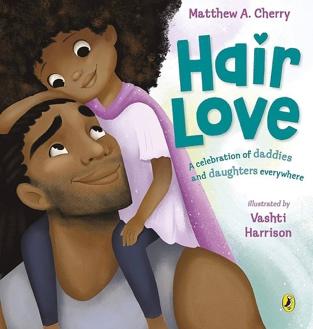 Challenge: It’s a special day and Zuri needs a perfect hairstyle. | Book 2:Daddy Dressed Me (Gardner & Gardner, 2023)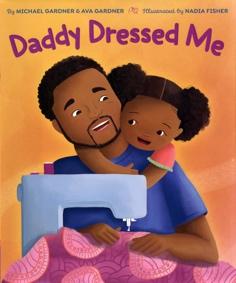 Challenge: Ava has to recite a poem onstage. | Book 3:Sydney’s Big Speech (Newsome, 2024) 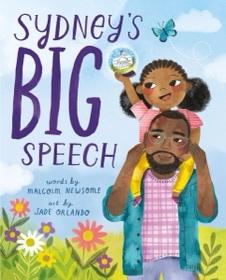 Challenge: Sydney has to give a speech. |
If you work with older students who are reading chapter books or novels, consider shifting this experience to “Book Talk Tag.” Begin by having a reader share a quick book talk of a text they’re currently reading or have recently finished. Then, invite one learner at a time to connect a current or recent read to the first book. Encourage readers to continue tagging books as long as time and interest permit. As students notice similarities among texts, they are also discovering books they may want to read in the future.
Explore New Paths: Support Independent Readers
Throughout the first semester, you’ve worked to create a strong community of engaged readers. To explore new paths, take a moment and collaborate with your students to reinvent authentic ways that they can continue to take ownership of their reading journey. The insights you gain can provide a new focus and energy to your daily classroom reading practices. Begin this reflection with your students by following this process:
- Brainstorm ways in which readers shape their reading identities and build reading habits throughout school and into adulthood.
- Use this list as inspiration to experiment with activities that will help students build reading habits in new ways.
- As you try out these experiences in your classroom, encourage learners to continuously reflect on what they are discovering about themselves as readers and how this might affect their reading lives going forward. Use these questions to guide readers’ reflections:
- How has your reading identity changed, shifted, or stayed the same throughout this process?
- Have you learned anything from this experience that you will use in your future reading life?
- What do you still want to learn about yourself as a reader?
Using this thought process, we brainstormed a few ideas to try in the second semester:
| To Help Readers Build This Habit . . . | Try This! |
| We create reading goals based on trends we notice in our reading habits. | * Show learners how to use Goodreads or Storygraph to set their own reading goals. (Note: Students will need to be 13+ years old to use these platforms.) * Provide time for students to interview teachers about how they set their reading goals. |
We utilize the local libraries and Little Free Libraries to find books.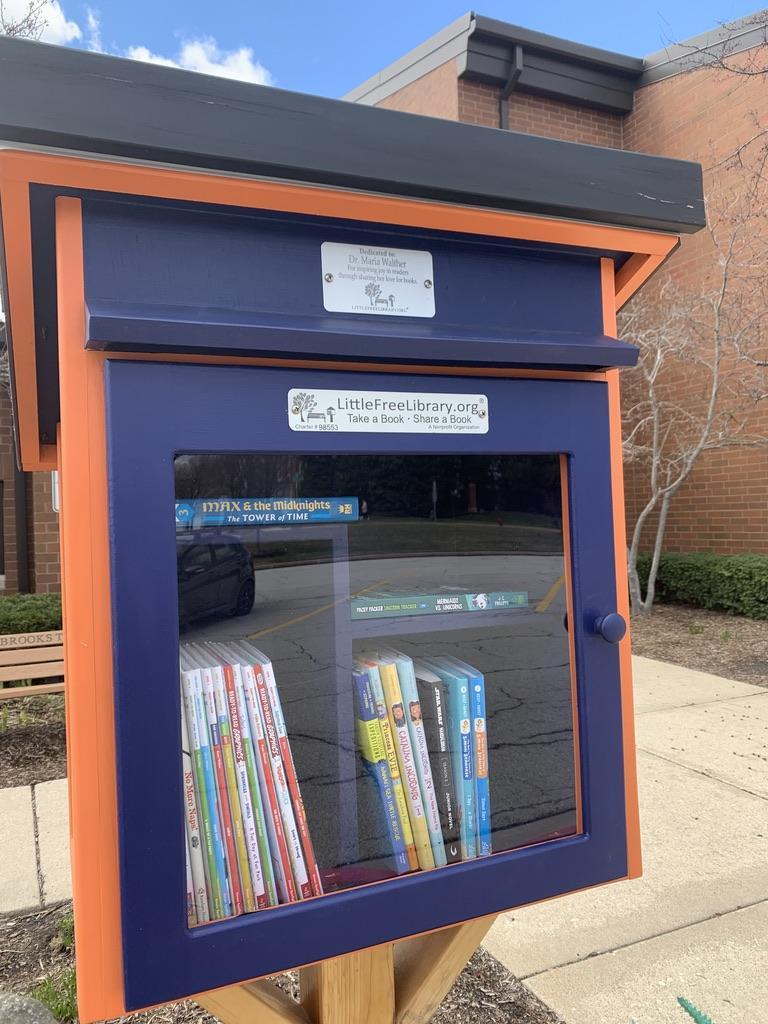 | * Have readers pull up Google Maps to find libraries and Little Free Libraries near school or near where they live. * If your school has a Little Free Library nearby, take learners to visit it. * Invite librarians from your public library to come talk about the services their library offers. |
| We try different strategies to get ourselves out of reading slumps. | * Brainstorm a list of strategies that students have found successful when faced with a reading slump. Create a bookmark of these strategies for students to take home. * Offer a variety of short texts like articles, poems, song lyrics, and so on that students might try when they’re in a reading slump. |
| We read in a variety of ways (audiobooks, e-readers, reading multiple types of texts at a time). | * Create a “Read-o-Rama” week where students are encouraged to try as many different ways to read as possible. Can they listen to an audiobook, use an e-reader, alternate between two types of texts, and so on, all in one week? * If you have access to this technology, spend some time re-introducing the different platforms for audiobooks and e-readers in case students forgot about these options. |
Use these “Try This!” suggestions as inspiration to explore new paths as you support readers in expanding their reading habits.
Tuck these strategies in your backpack, aim for the sunshine, and hike on! If you’re looking for more ideas to support your readers, check out our professional resource A Year for the Books or connect with us on Instagram and X @ayear4thebooks. We would love to hear the ways you’ve found to scrape the mud off!
References
Cervetti, G. N., & Hiebert, E. H. (2018). Knowledge at the center of English language arts instruction. The Reading Teacher, 72(4), 499-507.
Wright, T. S. (2019). The power of interactive read alouds. American Educator, 42(4), 4-8.
Children’s Books Mentioned
Cherry, M. A. (2019). Hair love. (V. Harrison, Illus.). Kokila/Penguin.
Gardner, M., & Gardner, A. (2023). Daddy dressed me. (N. Fisher, Illus.). Aladdin/Simon & Schuster.
Newsome, M. (2024). Sydney’s big speech. (J. Orlando, Illus.). HarperCollins.
About the Authors
Katie Walther loves to read! In fact, she’s kept track of every book she’s read since fourth grade in Aurora, Illinois. Katie enjoys sharing her passion for reading with students and teachers alike. She taught middle school Language Arts for nine years, and is currently an instructional coach in Aurora, Colorado. You can find her on Instagram and X @ayear4thebooks.
Traveling teacher, author, literacy consultant, and picture book enthusiast, Maria Walther taught first grade for 34 years. Currently, Maria partners with teachers in their classrooms and inspires her colleagues through engaging professional learning experiences. What educators appreciate most about Maria is her focus on joyful, realistic approaches toward classroom instruction. All of Maria’s books are filled with helpful ideas for busy literacy teachers. Learn more about her consulting work and find other resources at mariawalther.com or connect with her on Instagram and X @mariapwalther.

 CCIRA Professional Development Blog